
This year, Tri-Valley CAREs had the privilege of hosting our first ever Youth Environmental Photo Contest! We invited young people ages 10-25 to share how they see and experience the environment and environmental justice issues in their communities.
Our team of judges were truly blown away by the submissions. Each photograph offered a unique perspective: some captured the beauty of the natural world, others highlighted pollution, climate impacts, or inequities that often go unseen. Together, they tell a powerful story about how young people are thinking about the environment today.
After careful review by our judges, we are excited to announce the winners of this year’s contest:
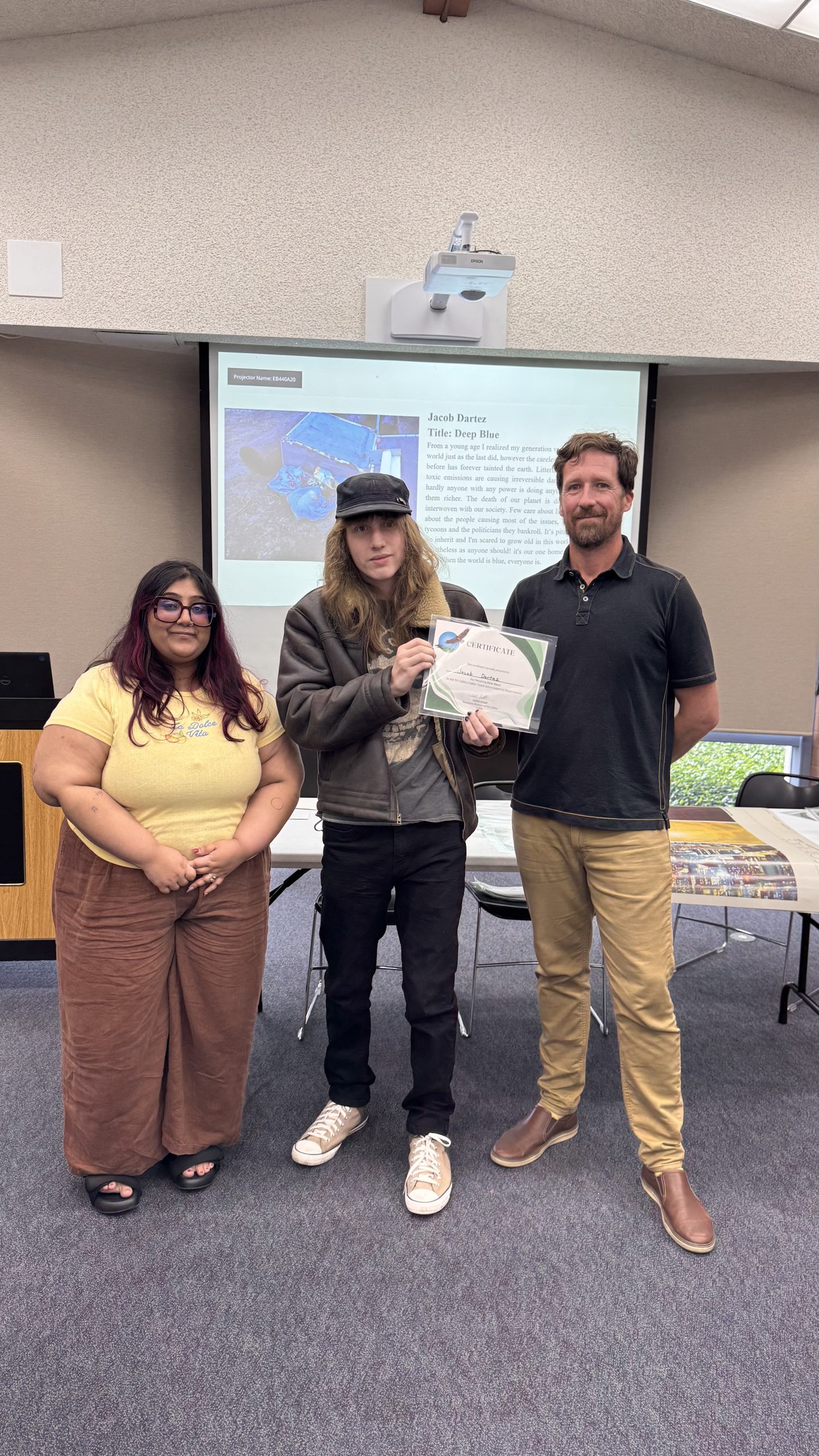
🏆 First Place ($750): Jacob Dartez – Deep Blue
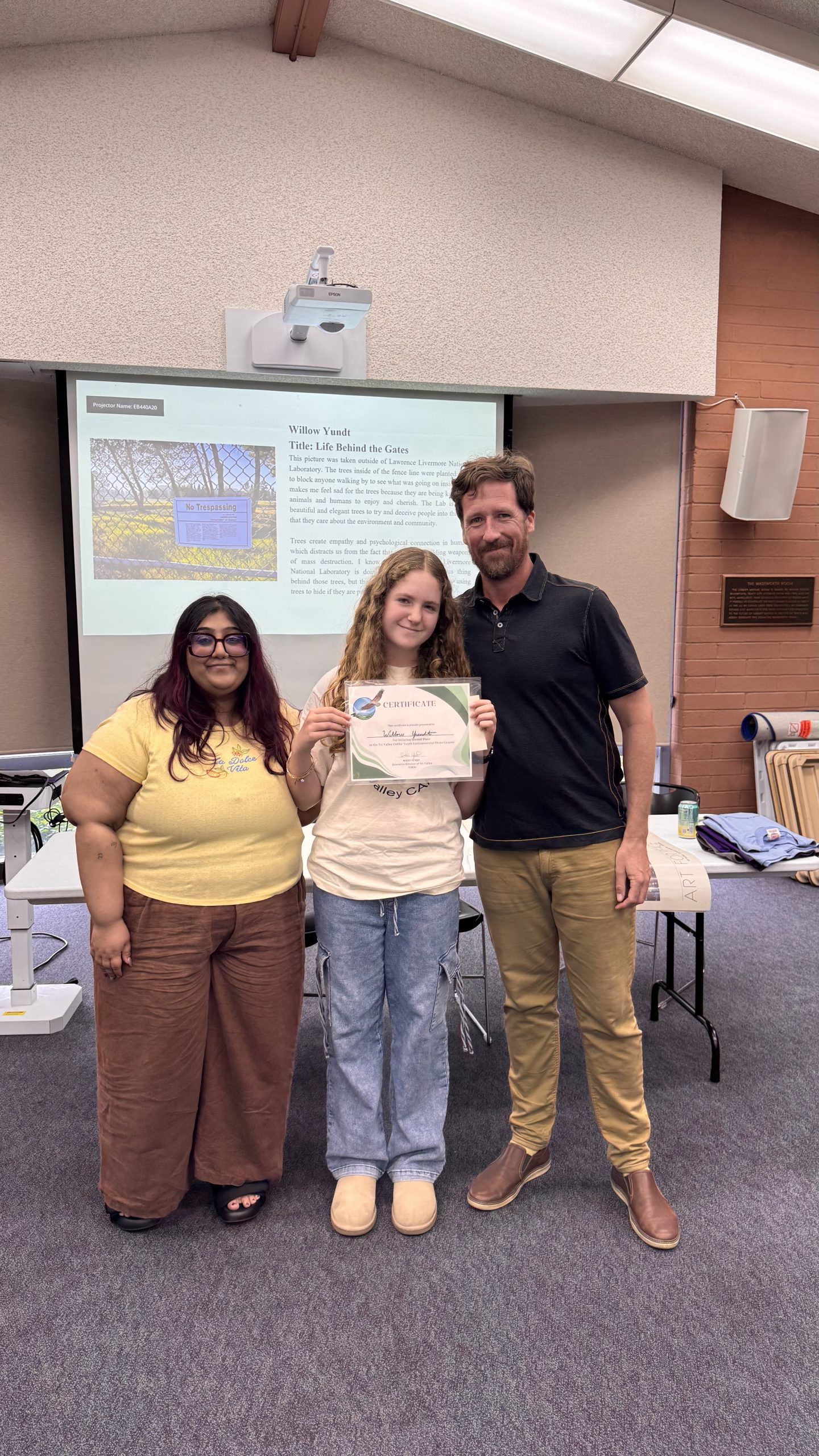
🥈 Runner-Up ($250): Willow Yundt – Life Behind the Gates
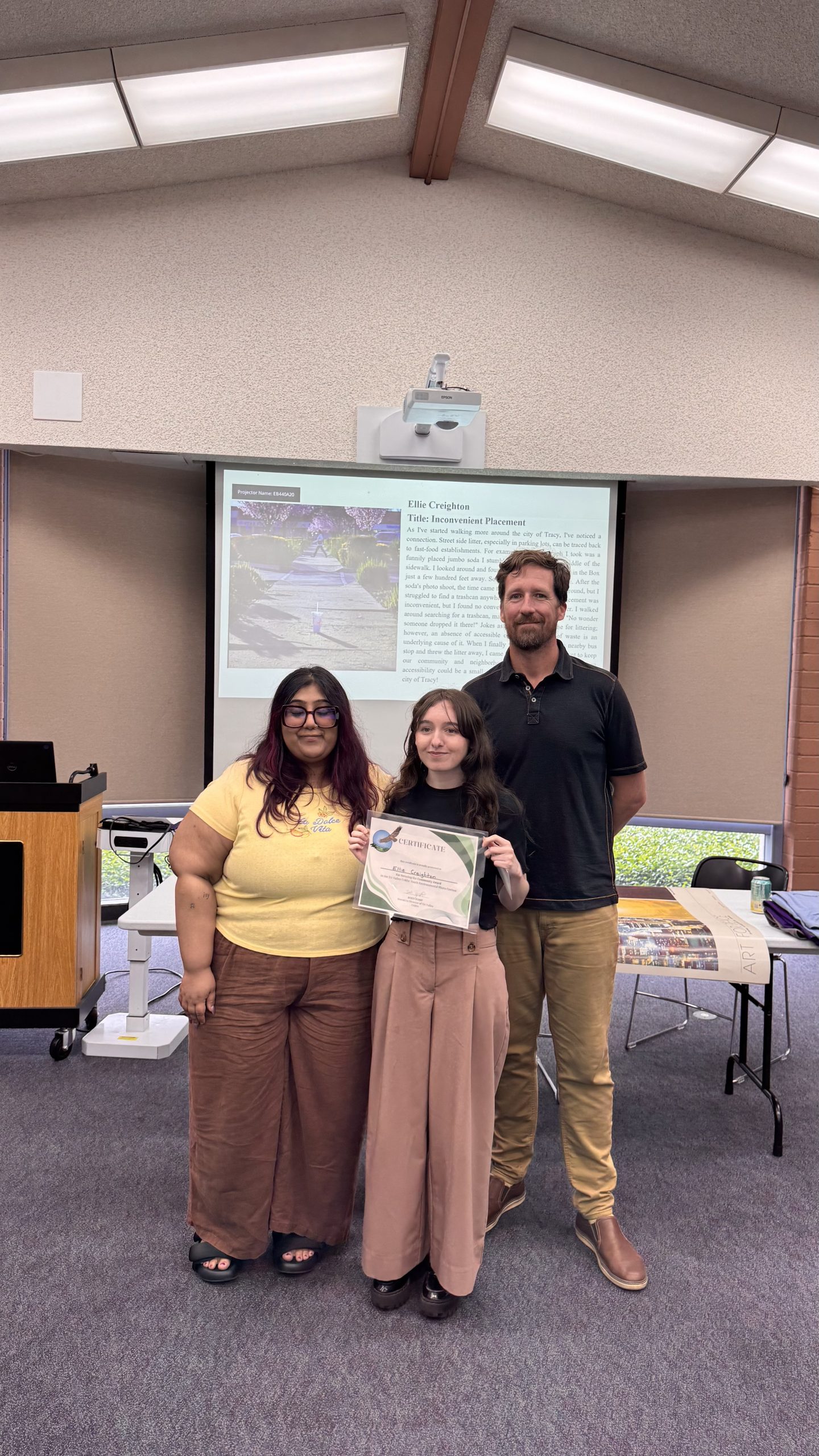
🌟 Community Award for Tracy & West San Joaquin County ($500): Ellie Creighton – Inconvenient Placement
We also want to recognize all of our participants. It takes creativity, thoughtfulness, and courage to share your perspective, and every submission contributed meaningfully to this project. All participants will receive a certificate in recognition of their work and an 11×14 print of their work on canvas.
Join Us for the Exhibit & Award Ceremony!
To celebrate these incredible young artists (and Earth Day), we invite you to join us for a community exhibition and award ceremony:
Venue: Tracy Library, Wadsworth Room, 20 E. Eaton Ave, Tracy
Date: April 21, 2026
Time: 5:30 – 6:30 PM
During the event, all submitted photographs will be on display, and we will celebrate the winners and present awards and certificates. We’ll also have food and time to connect with others in the community.
If you’re not able to attend that evening, the exhibit will remain on display at the Tracy Library Display case throughout the month of April.
This exhibit is part of our broader work in Tracy and West San Joaquin County to support community awareness and engagement around environmental issues. We hope you’ll join us in celebrating this work.
This project was partially funded by CalEPA.
Click HERE for a PDF of the award ceremony flyer
Para leer esta información en español HAGA CLIC AQUI!